A working story.
I build digital systems for businesses, shaped by years of websites, software, product work, mistakes, pressure, and trust.
Care
Because every project belongs to someone who has something at stake.
Clarity
Because good work starts when the real problem is finally understood.
Responsibility
Because launching is only one part of building something that lasts.
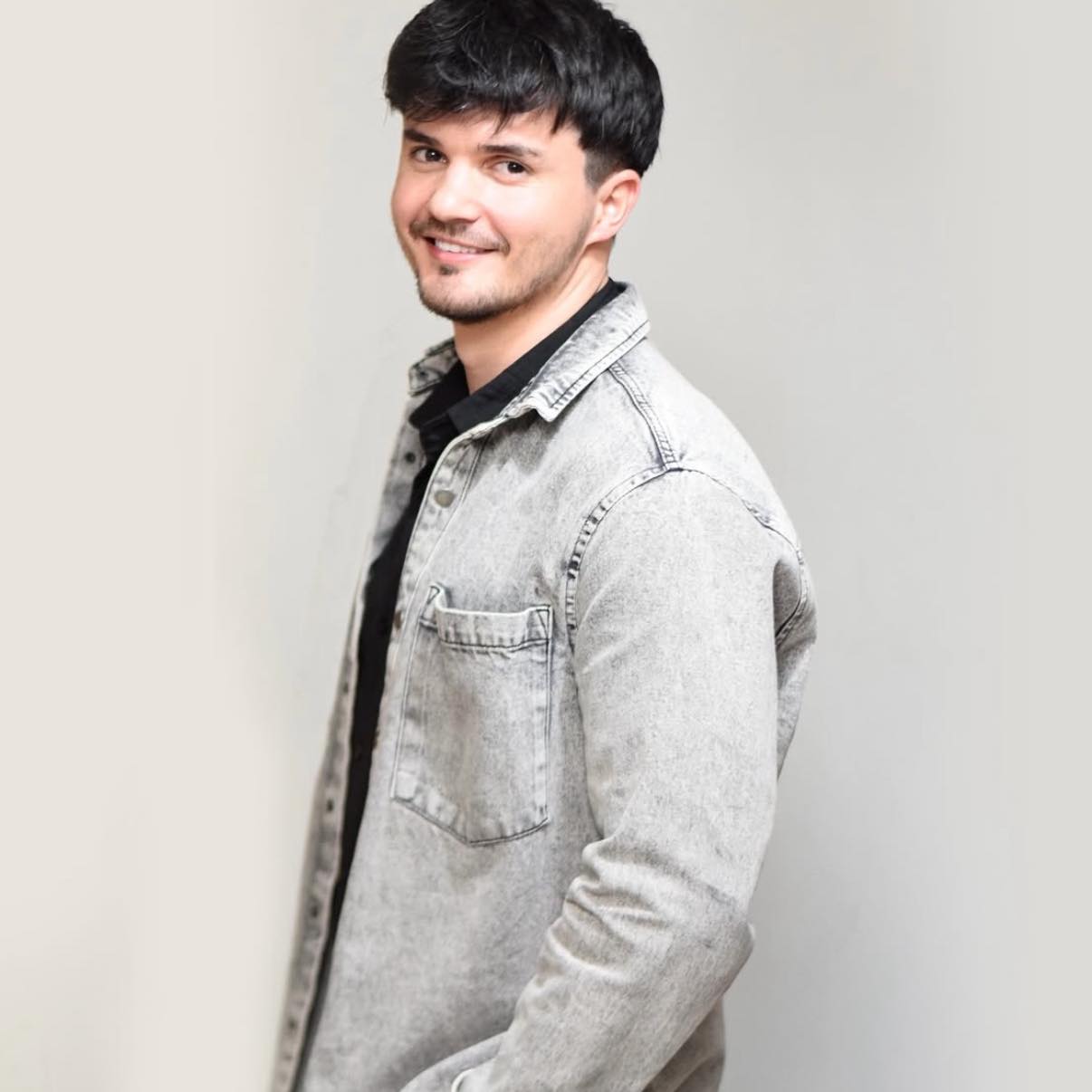
Curiosity and First Lines
I did not start with a roadmap, a mentor, or a polished business plan. I started with raw HTML, Notepad, and a lot of curiosity around Lineage servers and online communities.
It was just me, the screen, and long nights trying to understand how digital worlds were made behind the scenes. I was fascinated by the invisible part of the internet, the part most people never see but always depend on.
That period was simple, but it shaped me deeply. Every tag I wrote felt like discovery, every broken layout became a lesson, and every fix gave me a little more confidence that I could build something real from nothing.
"The beginning was not glamorous. It was quiet curiosity, repetition, and the stubborn need to understand how things worked."
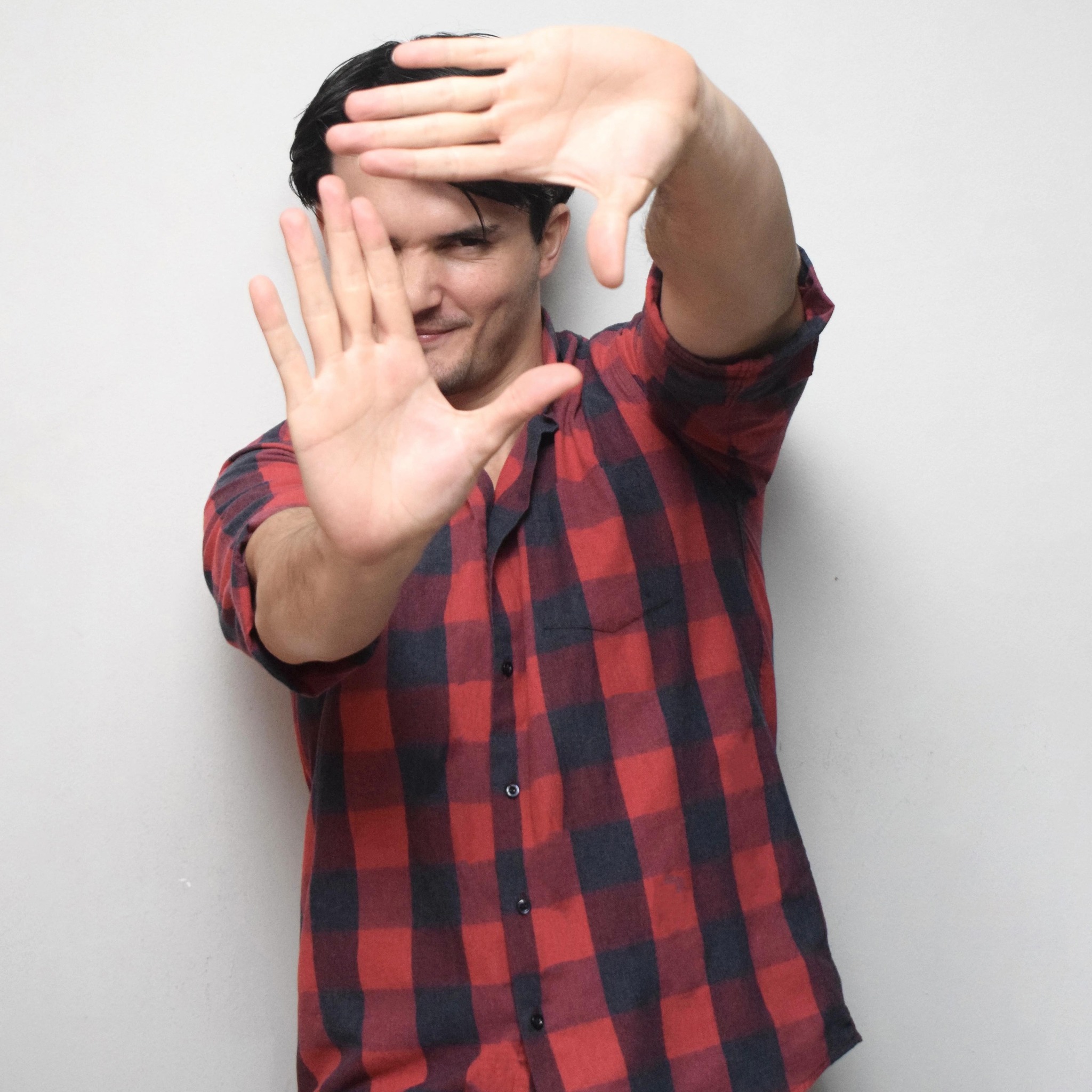
Learning the Logic
After static pages, I moved into PHP, databases, forums, user systems, and small internal tools.
Most things had to be written by hand, which made the process slower but far more educational. There were no easy abstractions protecting me from mistakes, so I had to understand the logic itself.
I learned through trial, broken code, and repetition. That period shaped how I still think about programming today: it is not about looking clever. It is patience, logic, and the humility to admit when something does not work yet.
"A lot of what helped me later came from those early years of writing, breaking, and rebuilding everything myself."
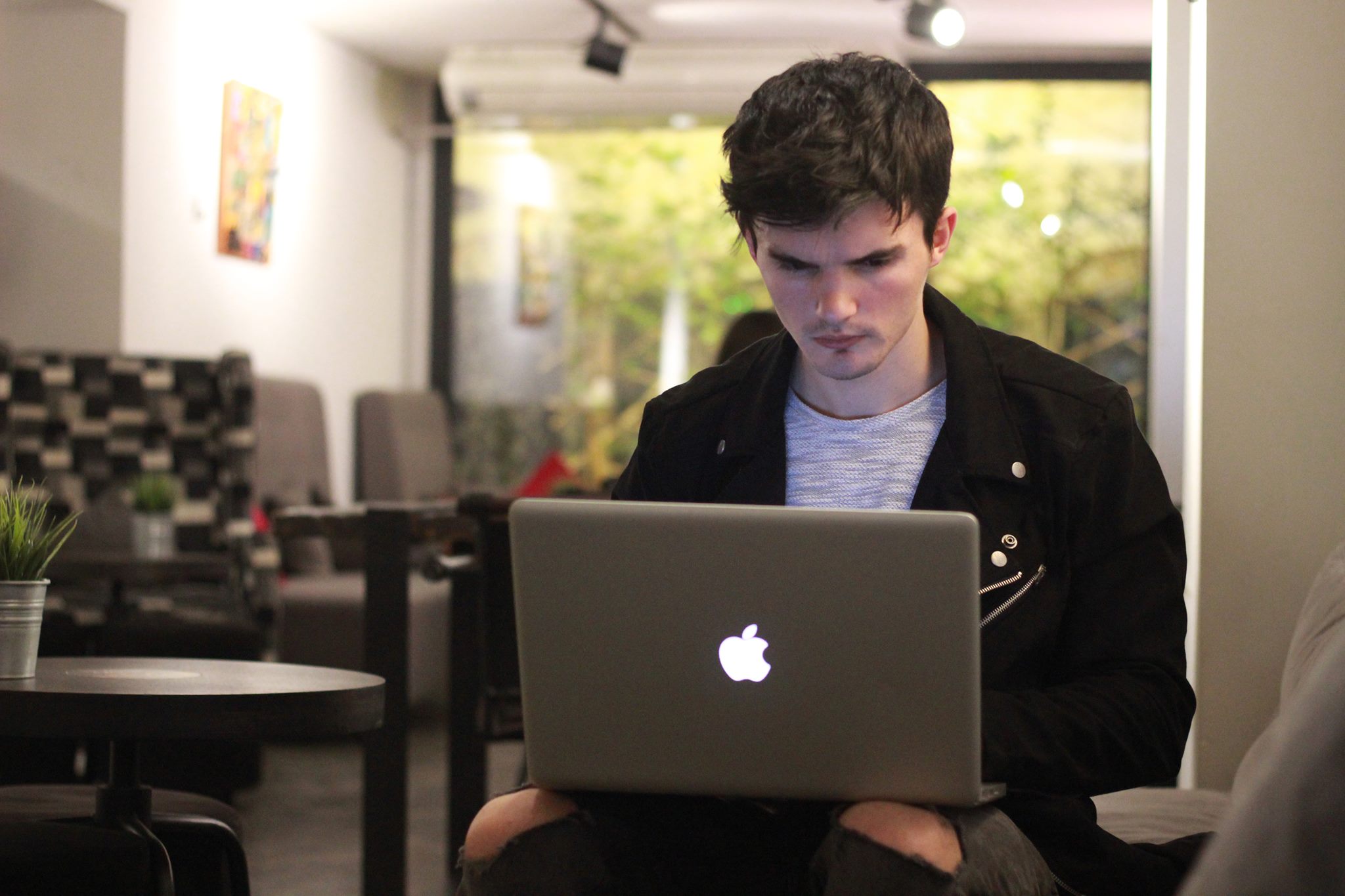
Real Responsibility
This was the point where passion turned into real responsibility. Through my father's business identity, I officially entered the professional side of the work and took on my first serious client obligations.
I built one of my earliest complex rental platforms in Greece and started selling custom scripts and designs on international marketplaces. Those first projects taught me what pressure feels like when the work is no longer personal experimentation.
That period changed how I saw everything. A project was no longer just code on a screen. It was someone else's business, money, time, and trust, and I had to become more serious because of that.
"Professionalism, for me, did not begin with titles. It began the moment other people depended on the result."
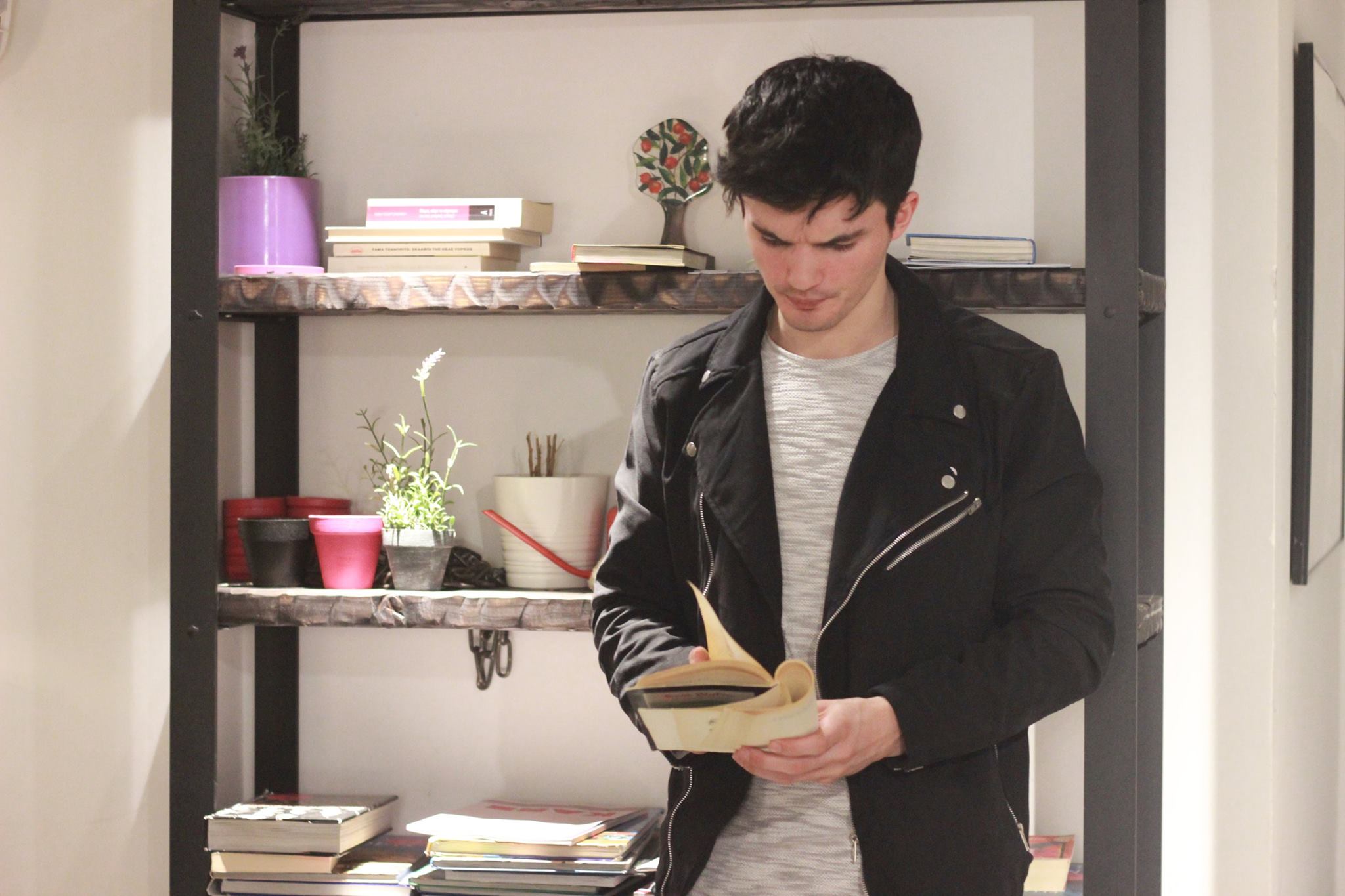
From Websites to Systems
This was a turning point where I moved from making websites to building platforms.
FitnessLab, SystemFreaks, communities, dashboards, booking logic, and custom client systems pushed me to think beyond the visible interface. I had to think about flow, reliability, architecture, maintenance, and what happens after launch.
I stopped experimenting casually and started engineering more deliberately. I learned that design matters, but the hidden structure is what keeps a business running when nobody is watching.
"That was the moment I understood that good digital work is not only what people see. It is what quietly keeps working underneath."
Quiet Work
A lot of important work is invisible.
E-shops, management platforms, admin panels, automations, migrations, marketing logic, support calls, late changes, and fixes that nobody notices when everything works. Much of this work happened behind the scenes for companies and partners who needed stability under pressure.
That period taught me discipline and a lot of respect for quiet technical work. Not every important achievement becomes a public case study. Some of the best work simply keeps businesses moving without drama.
"I learned to value the kind of work people rarely celebrate: stable systems, clean fixes, and reliable delivery under pressure."

Learning to Organize
As the work grew, I had to become more organized.
There were periods with a high volume of websites, funnels, CRM flows, and custom workflows moving at the same time. The challenge was no longer only technical. It was also operational, communicational, and personal.
To keep quality from becoming random, I had to build better internal systems, communicate more clearly, and make fewer assumptions. Scale is not only about doing more. It is about making fewer careless decisions when many people are depending on you.
"Growth forced me to mature. Better systems, better judgment, and better communication became just as important as the code itself."
Products and Pressure
Autobot, HandsApp, Leado, LineWeb AI, and other product work came from real business problems I kept seeing in the market.
Each one pushed me to think beyond service delivery and into product responsibility. I had to think about repeatability, daily use, friction, support, and what happens when software becomes part of someone else's operation.
HandsApp, especially during a difficult period for hospitality, reminded me that software is never abstract when people use it to operate every day. Building products taught me that small decisions can have a large impact when many businesses rely on them.
"Products changed my perspective. You stop thinking only about delivery and start thinking about long-term consequences."
The Work Now
Today, LineWeb is shaped by all of that: curiosity, pressure, mistakes, clients, products, websites, custom systems, automation, and years of quiet work.
I do not see this story as perfection or personal mythology. I see it as a long practice of listening better, building more carefully, and staying responsible when the work becomes difficult.
LineWeb is not a story of doing everything alone. For larger projects, I bring our developers and marketing specialists together around the needs of the business. I stay involved in the direction and coordination, while each person contributes their own expertise. That collaboration matters as much as the code or the design.
What matters to me now is not presenting myself as larger than life. What matters is building digital systems that have a reason to exist and real people behind them who need them to work.
"If there is one thing all these years taught me, it is that care scales further than ego ever will."
Some of the work stays open.
Most client systems remain private. When a tool can be useful beyond one project, I try to publish it, document it and contribute improvements back to the software we all depend on.
Laravel / React / Inertia
LineWeb Social
A self-hosted foundation for modern communities and social products, built in public with privacy, moderation and product ownership in mind.
WordPress / PHP / QR ordering
Restaurant Orders for WordPress
A self-hosted restaurant menu and ordering plugin with QR flows, Stripe support, no commissions and no paid feature gates.
WooCommerce / PHP / workflow
Withdrawal for WooCommerce
A focused WooCommerce workflow for electronic contract-withdrawal statements and timestamped customer receipts.
Upstream contributions
Focused fixes are also contributed to established open-source projects. Forks are working spaces, not LineWeb products; only merged public contributions are highlighted here.

What I try to remember"Behind every project, there is usually someone carrying pressure, hope, risk, or responsibility."
"I try not to forget that when I build."
Start a conversation