Direct answer
When does a business need custom software?
Custom software makes sense when important workflows cannot be handled cleanly by generic tools, repeated manual work is expensive, or different systems need to operate as one dependable process.
LineWeb builds CRM systems, B2B platforms, dashboards, portals, booking and operational tools around the way the company actually works. The project begins by simplifying the process before encoding it in software.

Business outcomes
What the work should improve
Operational map
Custom Software
Workflow
Business rules
Platform
Operations
One source of operational truth
Teams work from connected data and clear states instead of scattered files and private workarounds.
Less weekly friction
Repeated steps, handoffs and reporting can be simplified or automated where the rules are dependable.
Software that fits the company
Permissions, workflows and terminology reflect the real business rather than forcing it into a generic product.
Good fit
When this service makes sense
Typical scope
What can be delivered
How the work moves
A process built for fewer assumptions
The details change by project. The discipline does not: understand the real workflow, make the difficult decisions visible, deliver in useful stages and verify the result in production.
- 01
Observe the work
Understand what people do now, including exceptions and informal steps that briefs usually miss.
- 02
Simplify the rules
Remove unnecessary complexity and define clear states, ownership, permissions and data.
- 03
Deliver in useful stages
Build the core operational path first, test it with real users and expand deliberately.
- 04
Operate responsibly
Monitor, support and evolve the software as the business and its risks change.
Related work
Custom systems designed around real operating rules
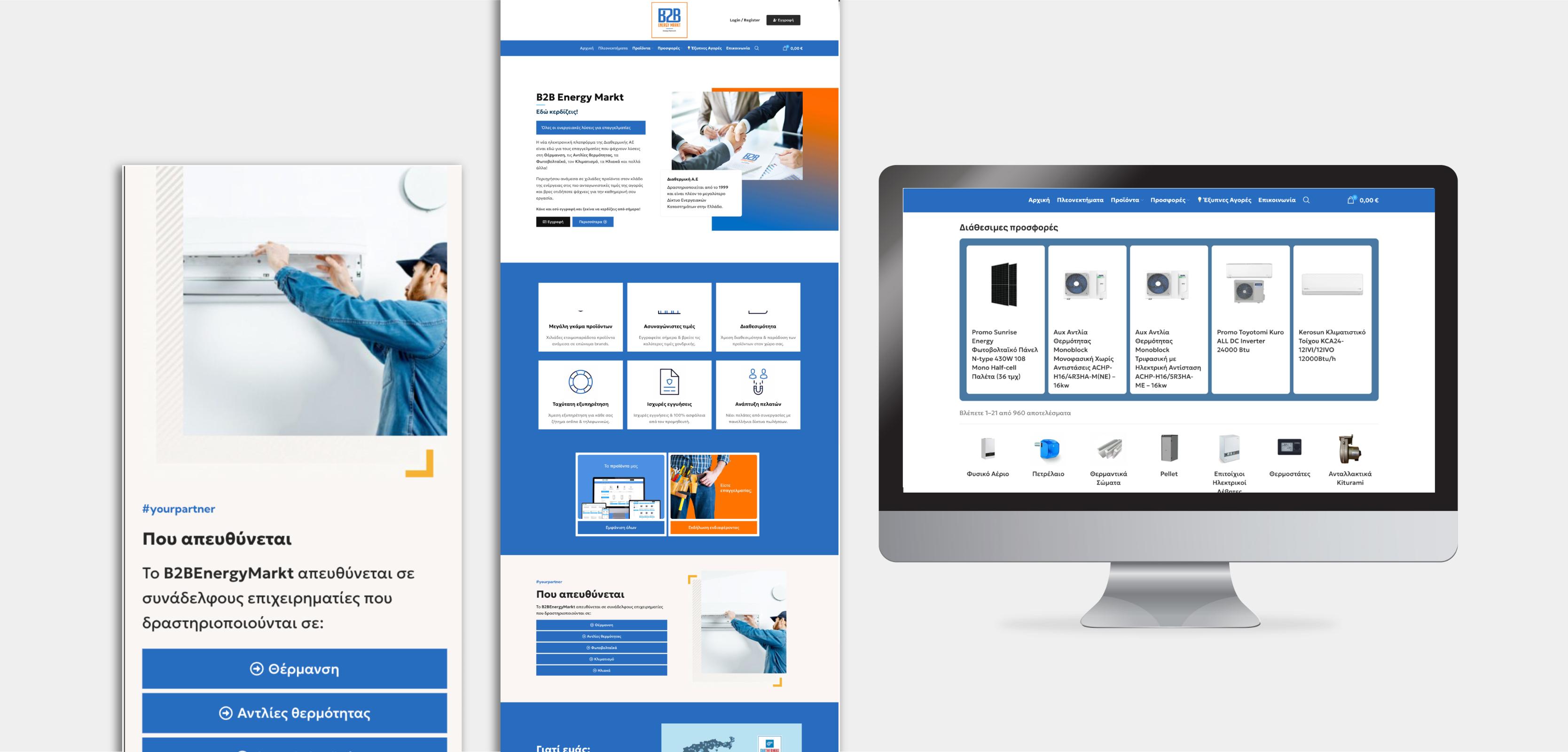
B2B Energy Markt
A custom B2B energy platform built around partner operations and controlled business workflows.
View case study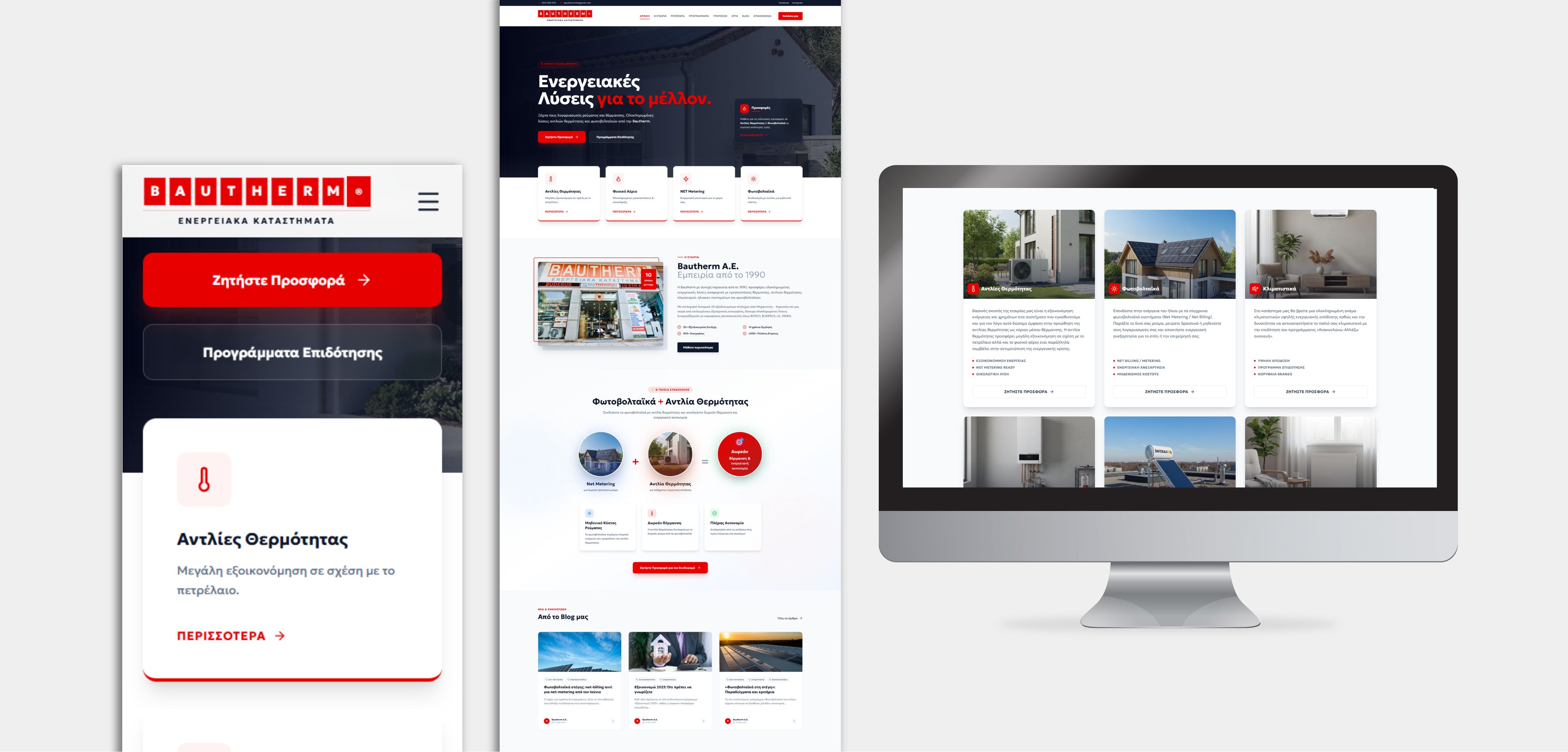
Bautherm
A connected CRM, pipeline, lead and newsletter operation inside one business platform.
View case study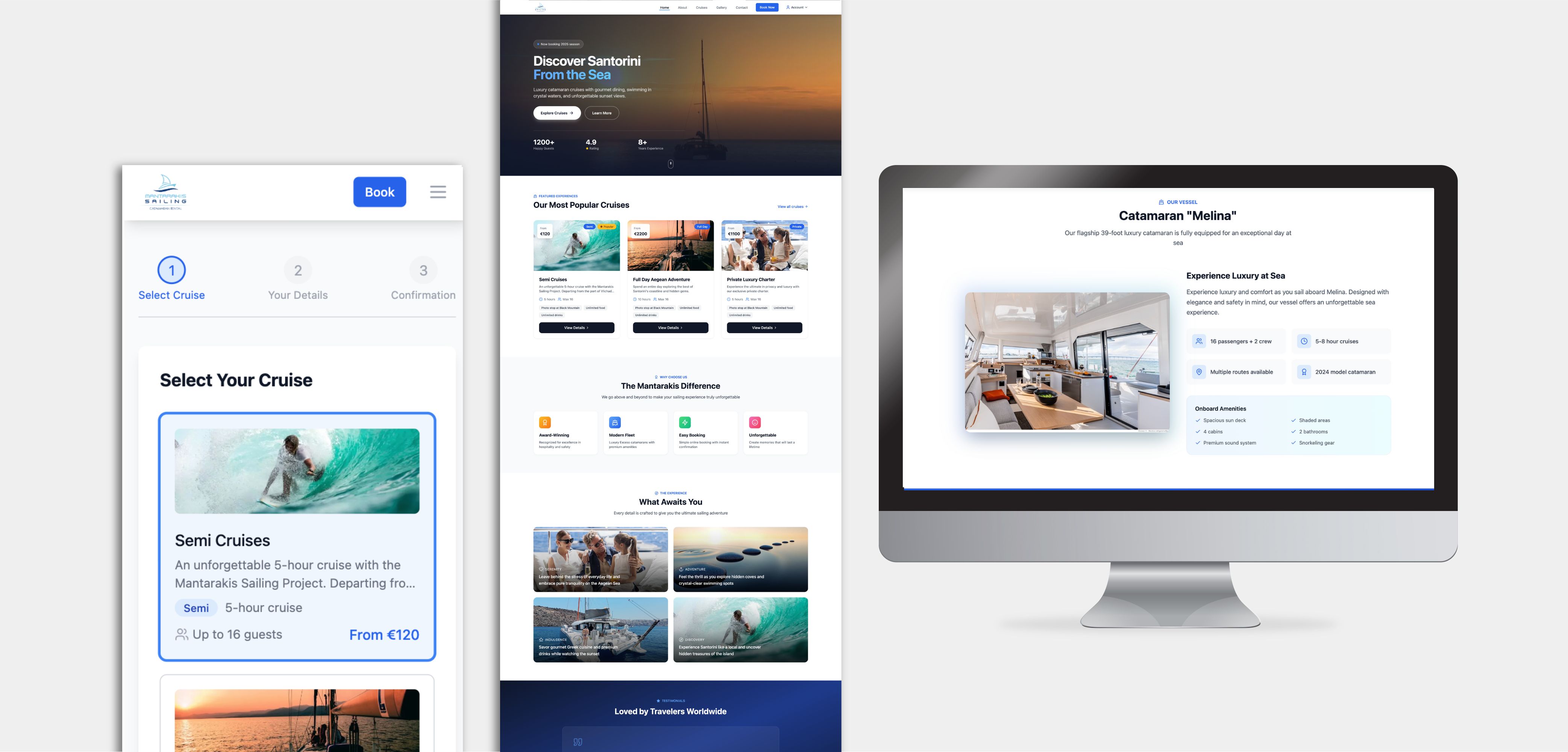
Mantarakis
A partner and sailing operation connecting commissions, bookings and network workflows.
View case studyQuestions answered
Common questions about custom software
Short, direct answers based on how LineWeb approaches this work in practice.
01What kinds of custom systems do you build?
Typical work includes CRM and lead systems, B2B portals, booking tools, dashboards, internal administration, partner networks, document workflows and business-specific platforms.
02Should we build custom software or buy an existing SaaS?
Buying is usually better when a mature product covers the workflow well. Custom development becomes reasonable when the process is strategically important, integrations are unusual or generic tools create persistent cost and friction.
03Can you replace spreadsheets gradually?
Yes. A staged approach can move one reliable workflow at a time, preserving necessary exports and reducing migration risk.
04How do you control scope on a large platform?
The project is divided into business capabilities and release stages. Decisions, assumptions and acceptance criteria are documented so the first useful version remains focused.
05Who maintains the system after launch?
LineWeb can provide ongoing maintenance and product development, or prepare documentation and handover for an internal or external technical team.
Service content reviewed by Andrew Matia
Founder of LineWeb, working across websites, software, automation, digital operations and technical problem-solving.
Engineered for Exit
We don't just write code; we solve complex business challenges with robust digital infrastructure designed to handle millions of transactions.
99.9%
Uptime
Architecture designed for high availability and zero downtime deployment.
Secure
By Default
End-to-end encryption, role-based access control, and regular security audits.
∞
Scalability
Architecture that can evolve as usage, data and operational requirements become clearer.
Security by design
System Status: Operational
Trust is
Non-Negotiable.
Important systems need clear permissions, controlled environments, testing, monitoring and recovery decisions proportional to the real business risk.
- Authorised security review options
- Automated CI/CD Pipelines
- Monitoring and alerting options
Technology selected for the system