AI built around real workflows
We build controlled AI-assisted workflows, knowledge tools and business automation that reduce repetitive work while keeping people responsible for important decisions.
Direct answer
What kind of AI systems does LineWeb build?
LineWeb builds practical AI-assisted workflows, business knowledge tools, lead systems, support agents and automations that connect to real operational data and human approval points.
The goal is not to add a chatbot everywhere. We identify repetitive work, fragmented knowledge or slow decisions, then design a controlled workflow with appropriate models, permissions, logging, fallback behavior and measurable human value.

Business outcomes
What the work should improve
Operational map
AI Solutions
Business data
Guardrails
AI workflow
Human action
Less repetitive work
Routine classification, drafting, retrieval and follow-up can be assisted while people retain control of important decisions.
Usable business knowledge
Scattered documents and operational information become easier to retrieve with sources and context.
Better lead handling
Enquiries can be qualified, organised and routed without pretending that automation replaces judgment.
Good fit
When this service makes sense
Typical scope
What can be delivered
How the work moves
A process built for fewer assumptions
The details change by project. The discipline does not: understand the real workflow, make the difficult decisions visible, deliver in useful stages and verify the result in production.
- 01
Find the useful task
Start with a repeated business problem and define what a good assisted outcome looks like.
- 02
Control the context
Identify trusted data, permissions, sensitive information and where the system must refuse or escalate.
- 03
Build and evaluate
Implement the workflow, tools and interface, then test quality against representative business cases.
- 04
Observe and improve
Monitor cost, latency, failure patterns and human feedback instead of assuming the first prompt is finished.
Related work
AI and automation grounded in actual products and business workflows
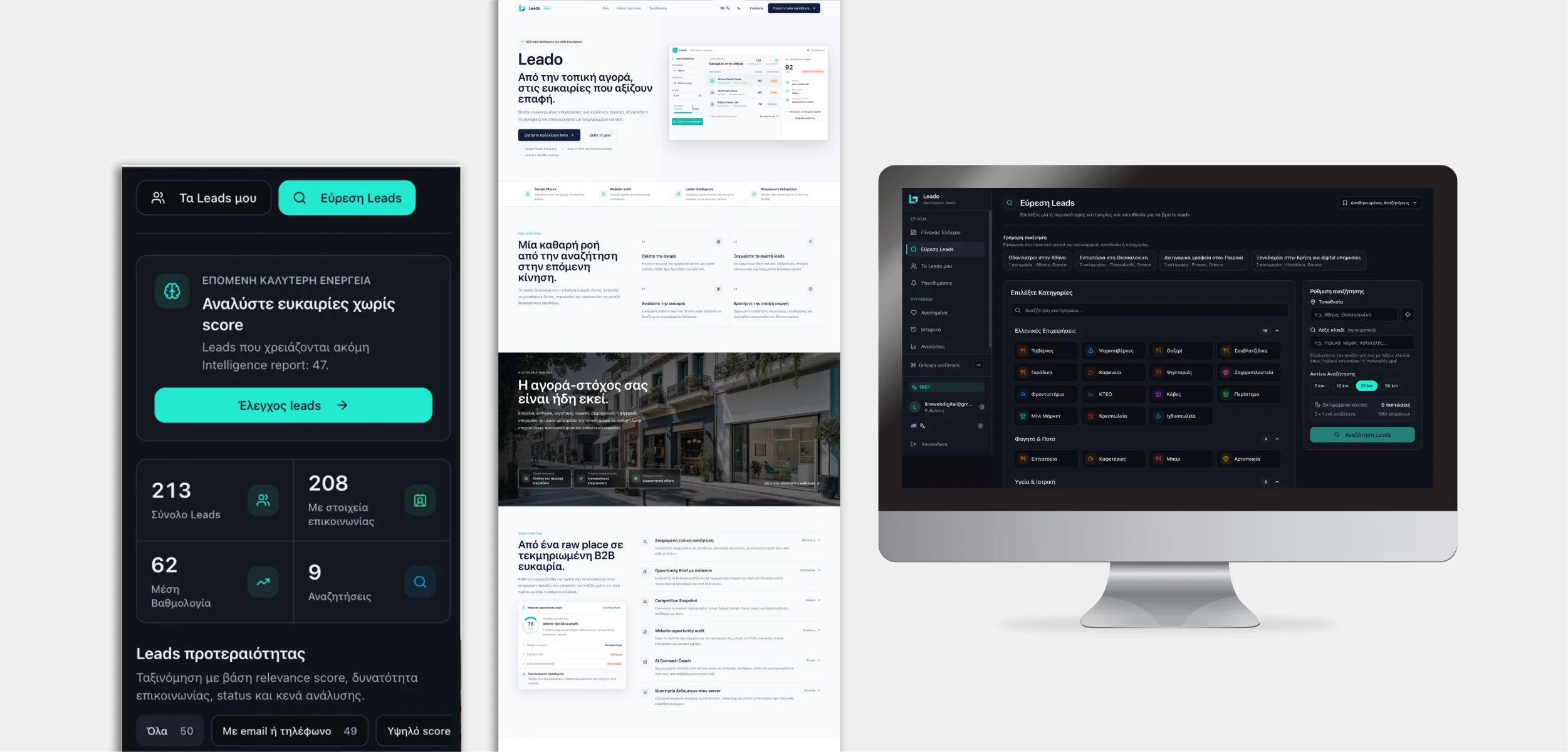
Leado
A LineWeb-owned B2B intelligence workspace combining discovery, evidence and AI-assisted outreach planning.
View case study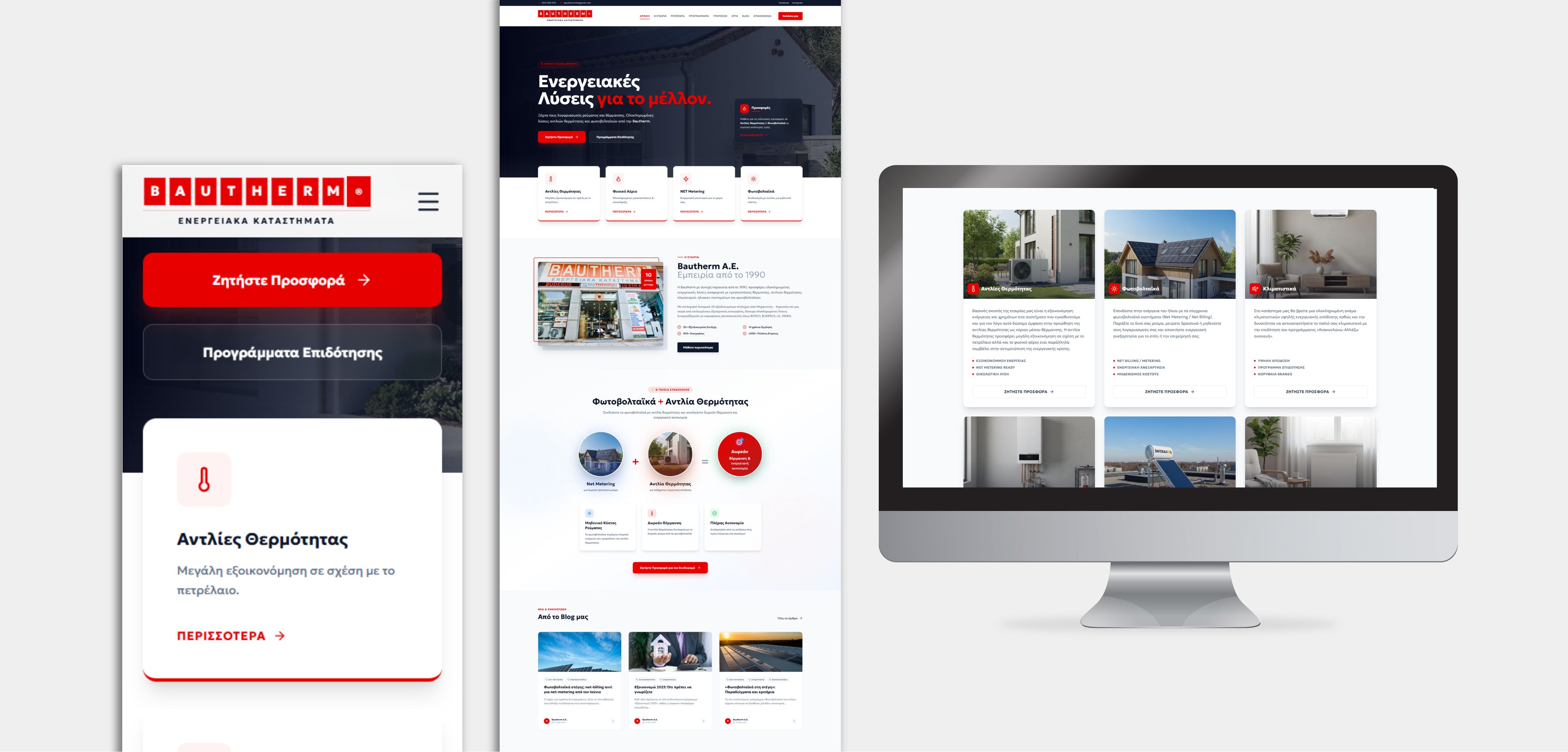
Bautherm
A connected website, CRM and lead operation with agent-assisted customer support and follow-up.
View case study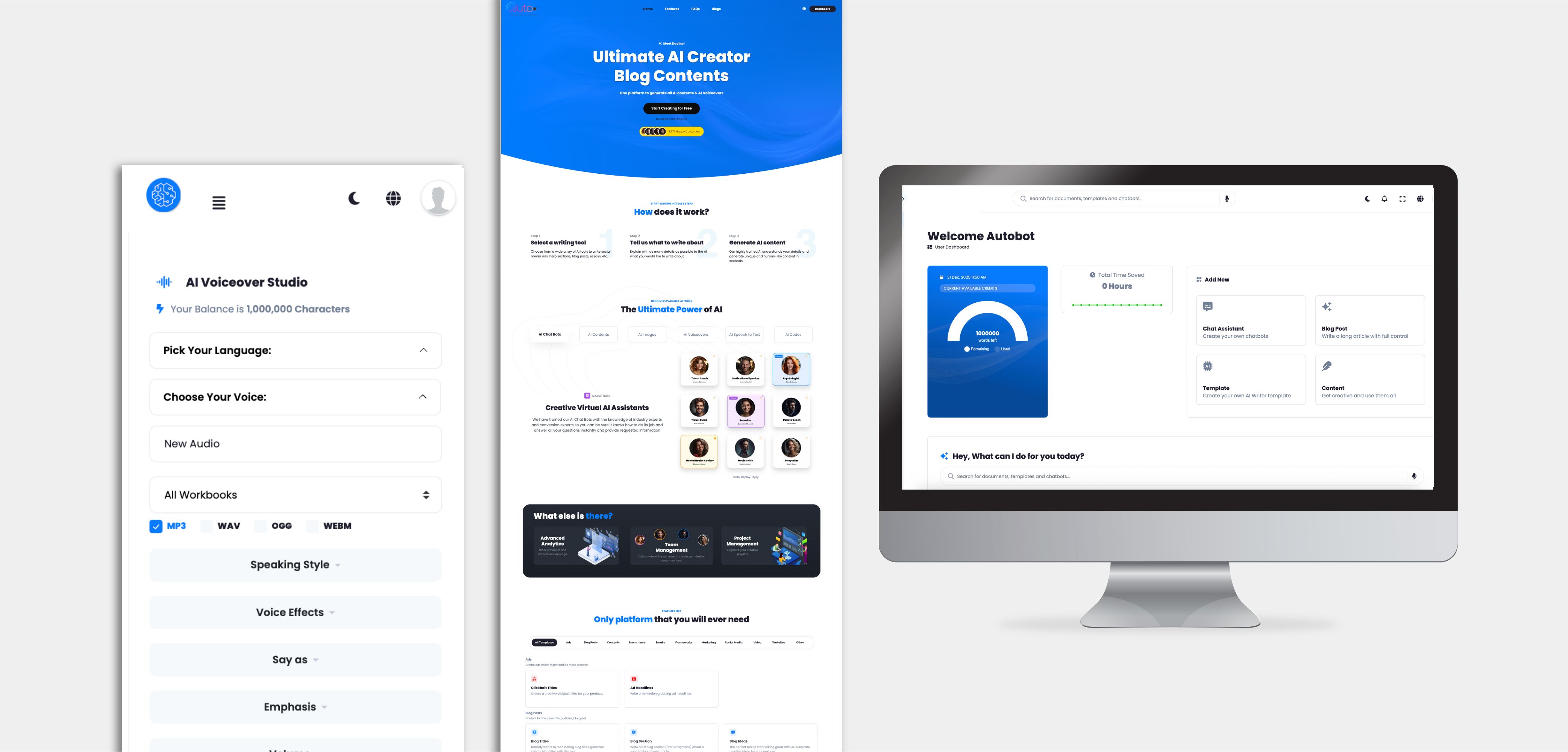
Autobot
An early LineWeb automation product that shaped years of practical workflow and chatbot experience.
View case studyQuestions answered
Common questions about ai solutions
Short, direct answers based on how LineWeb approaches this work in practice.
01Do you build AI chatbots?
Yes, when conversational access is useful. A project may instead need document retrieval, lead qualification, internal assistance, workflow automation or a structured interface rather than a public chat window.
02Can AI connect to our CRM or internal tools?
Usually yes, if reliable APIs or controlled database access are available. Permissions, logging and data minimisation must be designed before the connection is opened.
03Can an AI system guarantee correct answers?
No. Generative models can be wrong. LineWeb uses grounding, source visibility, constrained tools, validation and human escalation where errors would matter.
04How is business data protected?
The design considers provider retention settings, data minimisation, access control, sensitive fields, audit logs and whether some tasks should remain outside the model entirely.
05How do we know whether the automation is worth it?
We define a baseline such as time spent, response delay, completion quality or lead handling effort, then compare the assisted workflow against that baseline.
Service content reviewed by Andrew Matia
Founder of LineWeb, working across websites, software, automation, digital operations and technical problem-solving.
Data into Decisions
Useful AI begins with a specific task, trusted context, clear permissions and a defined point where a person reviews or takes action.
Scoped
Automation
Automate only the steps with dependable rules, context and safe fallback behavior.
Human
Oversight
Important decisions stay visible, reviewable and assigned to the right person.
Measured
Improvement
Quality, latency, cost and failure patterns are evaluated against a real baseline.
Lead_Assistant_01
Model and tool choices depend on the workflow