Cyber Security Protection
We review exposed systems, find real weaknesses, and help businesses strengthen projects that arrived too open, too fragile, or already carrying serious risk.
This includes difficult technical analysis, vulnerability discovery, security hardening, and practical recovery direction for teams that need clarity before a problem becomes more expensive.
Direct answer
What does LineWeb cyber security protection involve?
LineWeb reviews web projects, applications and operational systems to identify practical weaknesses, explain the real exposure and help implement proportionate hardening work.
Depending on authorisation and scope, the work can cover application review, authentication and permissions, exposed configuration, dependency and deployment risk, logging, incident clues, remediation planning and secure implementation support. It is defensive work performed only with explicit permission.

Business outcomes
What the work should improve
Operational map
Cyber Security
Assets
Exposure
Hardening
Verification
A clearer risk picture
Technical findings are translated into affected assets, realistic impact and priority rather than presented as noise.
Practical remediation
The engagement continues from diagnosis into fixes, hardening and verification where agreed.
Better future decisions
Access, deployment, logging and ownership practices are improved so the same class of weakness is less likely to return.
Good fit
When this service makes sense
Typical scope
What can be delivered
How the work moves
A process built for fewer assumptions
The details change by project. The discipline does not: understand the real workflow, make the difficult decisions visible, deliver in useful stages and verify the result in production.
- 01
Authorise and contain scope
Define systems, environments, permitted techniques, contacts and safety boundaries in writing.
- 02
Investigate
Review the exposed paths and supporting evidence without overstating unverified risk.
- 03
Prioritise and repair
Address the weaknesses most likely to affect the business and improve underlying controls.
- 04
Verify and learn
Retest agreed findings and document the practices needed to keep the system in a stronger position.
Related work
Public systems where secure architecture is part of responsible delivery
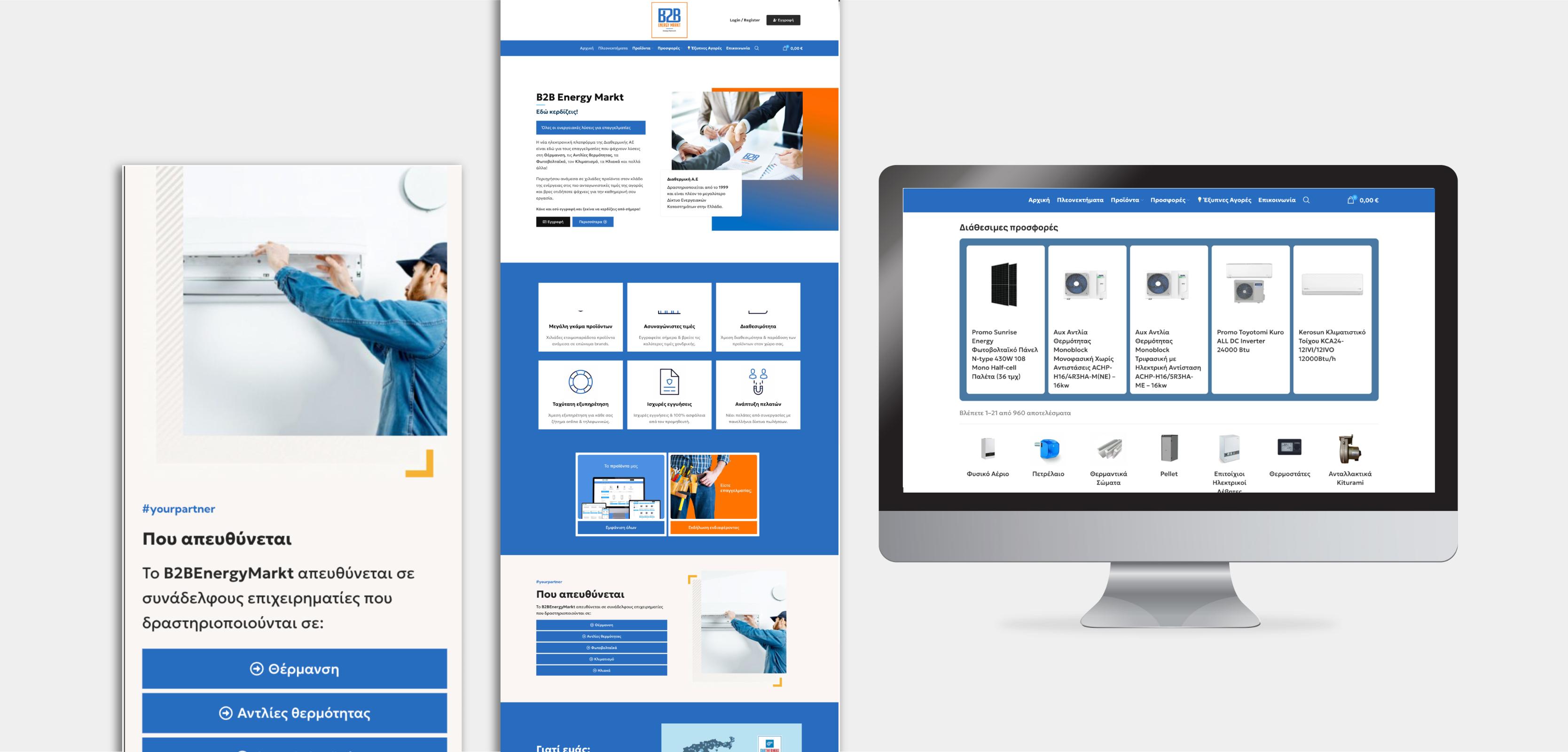
B2B Energy Markt
A permission-sensitive B2B environment where controlled access and dependable operations are fundamental.
View case study
DriveThess
A booking and administration platform handling customer, fleet and payment-related workflows.
View case study
Stemma Cosmetics
A production ecommerce environment where payment, tracking and administration boundaries matter.
View case studyQuestions answered
Common questions about cyber security
Short, direct answers based on how LineWeb approaches this work in practice.
01Is this an authorised security service?
Yes. Testing and review are performed only for systems the client owns or is explicitly authorised to assess, with scope and boundaries agreed before work begins.
02Can you help if a project may already be compromised?
LineWeb can help assess application evidence, access paths, logs and exposed areas within an agreed scope. Some incidents may also require specialist forensic, legal, hosting or law-enforcement support.
03Do you only provide a report?
No. The engagement can include remediation planning, implementation support and retesting. Exact responsibilities are agreed because some systems involve other vendors or infrastructure owners.
04Can you guarantee that a system is completely secure?
No responsible provider can guarantee zero risk. The goal is to identify meaningful weaknesses, reduce exposure and improve the ability to prevent, detect and respond.
05Will you publish client security cases?
Usually not in detail. Security work often contains sensitive information. Public references are only used when disclosure is appropriate and explicitly permitted.

Service content reviewed by Andrew Matia
Founder of LineWeb, working across websites, software, automation, digital operations and technical problem-solving.
Security work for real projects
A lot of cases do not arrive at the ideal stage. They arrive late, inherited, patched together, or already under pressure. That is exactly where disciplined review matters most.
Security Audits
We inspect projects for weak points, bad implementation choices, exposed logic, insecure access paths, and structural problems that create risk over time.
Vulnerability Analysis
When a project feels too open, unstable, or already compromised, we investigate where the real exposure lives and how serious it is.
Project Hardening
We improve authentication flows, permissions, server behavior, deployment hygiene, and general application resilience so the system becomes harder to break.
Difficult Technical Reviews
Some cases are not clean checklists. They are messy, urgent, inherited systems with unclear ownership. We step in, understand the problem, and give the business a defensible path forward.
Projects that already feel risky.
Weak admin access, unclear permission structures, rushed deployments, inherited codebases, suspicious behavior, exposed areas, or businesses that simply know something is wrong but cannot yet prove where.
Our role in these cases
We do not sell panic. We investigate, verify, and explain the real problem in practical terms.
We do not stop at diagnosis. We help define the hardening work, priorities, and next technical decisions needed to reduce exposure.
We work well with pressure. Some businesses come to us after a close call, an inherited mess, or a system that is too important to leave weak.
Many businesses call for security work only after the risk is already expensive. Our job is to give them a calmer, stronger technical position.