01
Listen before prescribing
The first task is to understand what is actually happening, including the parts the brief may not yet describe.

How LineWeb works
The point is not to make a business look more digital. It is to make the next important decision clearer and easier.
Discuss a ProjectDirect answer
LineWeb starts by understanding the real business situation, the people using the system and the decision the work needs to make easier. Scope follows that understanding, not the other way around.
This is why the process stays practical: say the difficult things early, build in useful stages and judge the result by what the business can do with it after launch.
What guides the work
The first task is to understand what is actually happening, including the parts the brief may not yet describe.
Useful advice includes what is not worth building yet, where the risk sits and what needs a decision from the business.
A successful launch is a system people can understand, operate, improve and trust on an ordinary working day.
The process keeps the original business pressure visible from the first conversation through delivery and long-term support.
STEP 01
Listen
STEP 02
Define
STEP 03
Build
STEP 04
Support
CONTROL
Accountable delivery
OUTPUT
A system people can keep using
Decisions before delivery
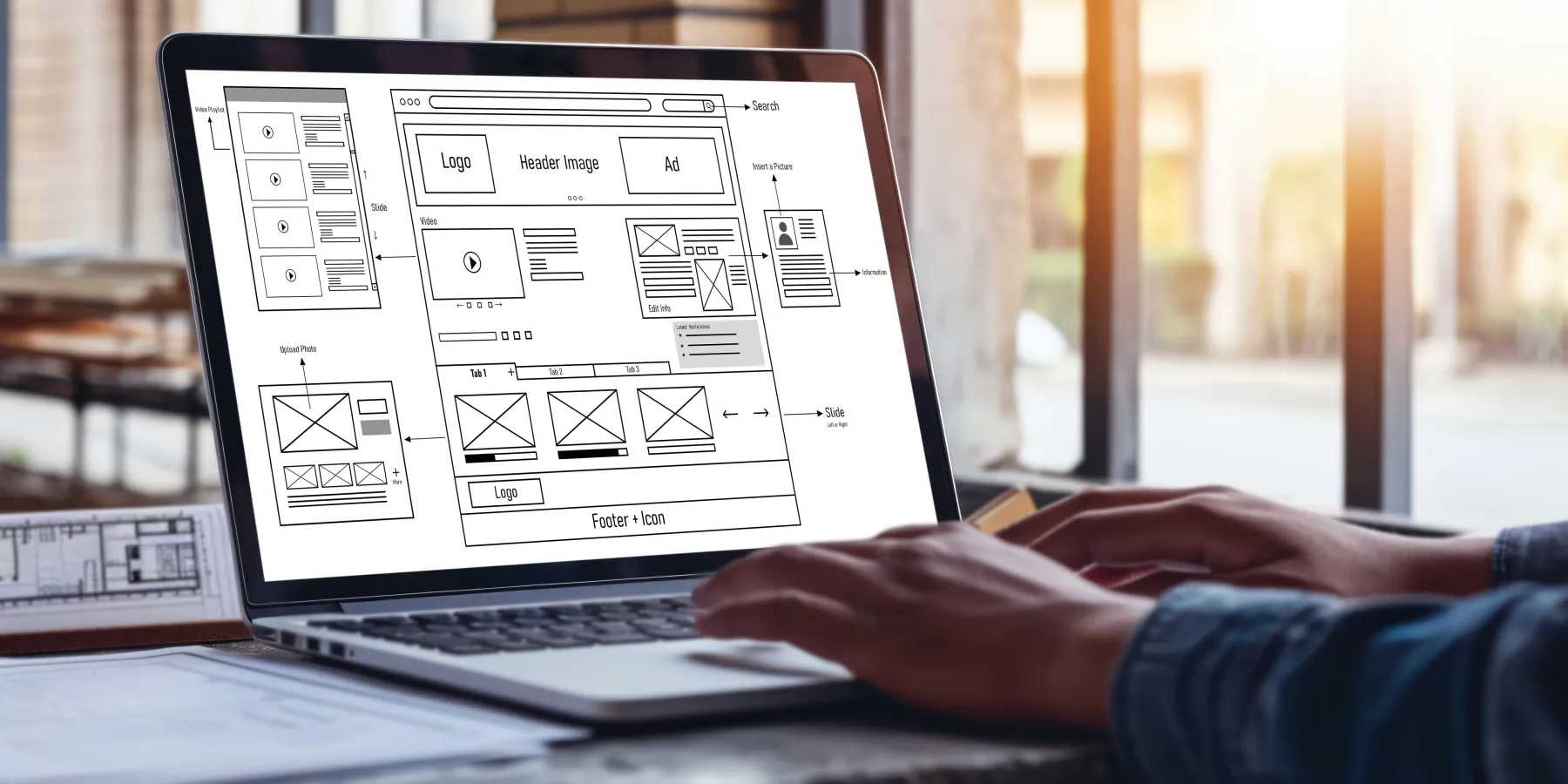
Structure, priorities and user journeys need to make sense before visual refinement or development can carry them forward. Early clarity prevents expensive confusion later.
The working rhythm
The detail changes with the project. The underlying discipline stays the same: understand the current reality, make the next decision visible and build only what improves it.
We map the offer, audience, business pressure, current tools and the moments where people get stuck.
We turn a broad request into a clear priority: a website, system, product flow, automation or repair plan.
The visible interface, content structure, data needs and operational responsibilities are considered as one connected piece.
The work is checked in the environment where it will be used, then supported by documentation, ownership and next steps.
The work behind the words
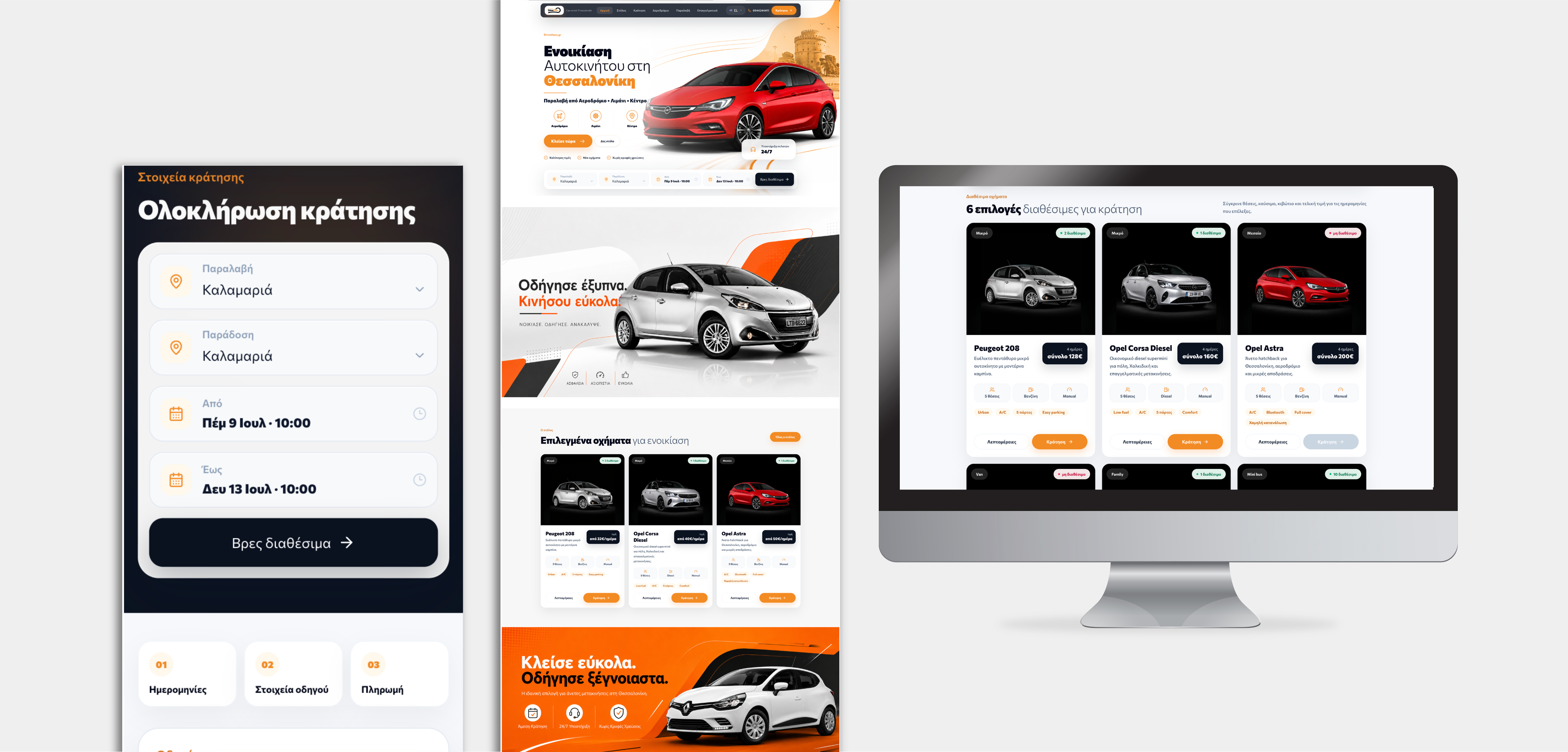
Custom platform
A car-rental platform where booking, payment choices, fleet operations and customer communication need to work as one journey.
Explore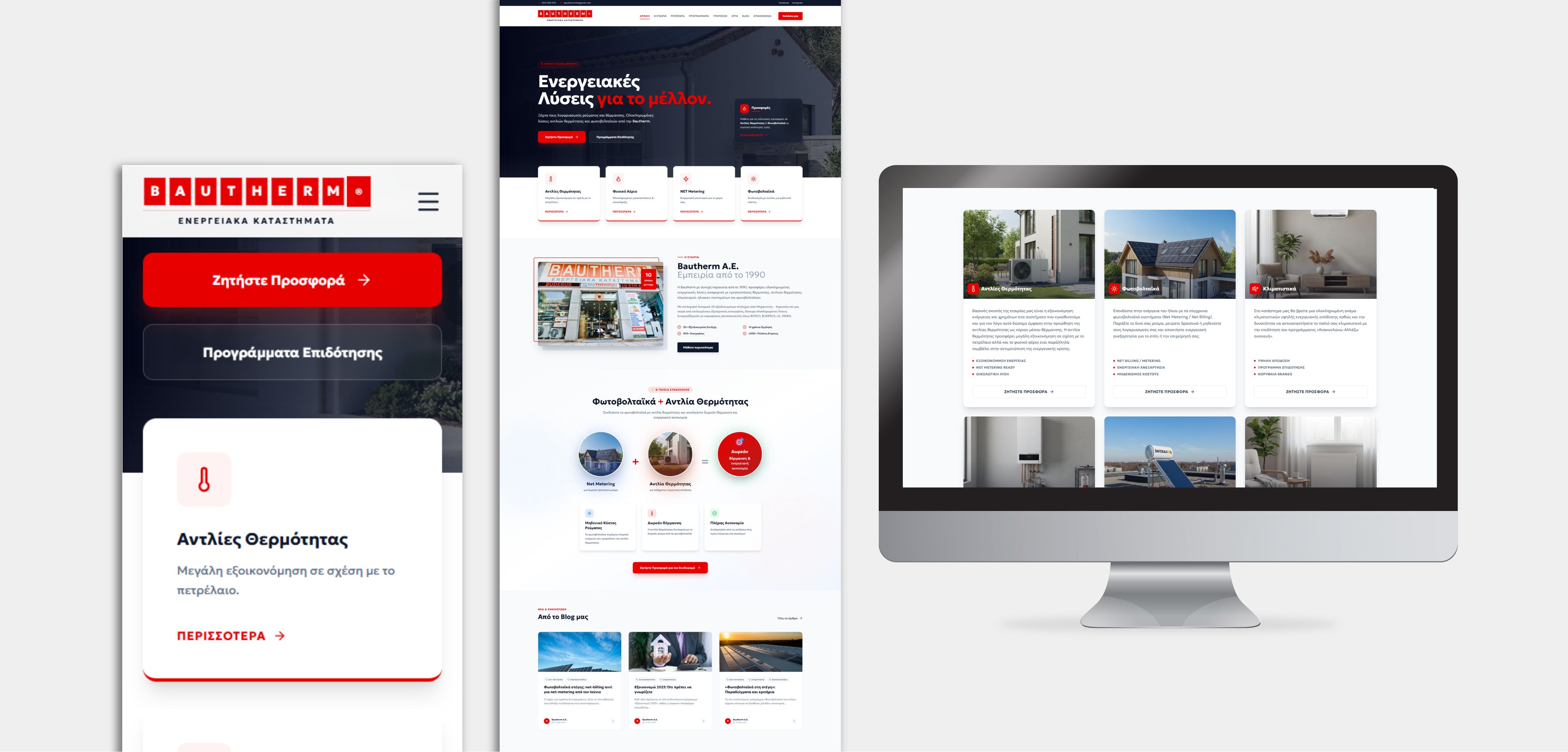
Business system
A public website and operational CRM built around lead handling, business location, calls and day-to-day follow-up.
Explore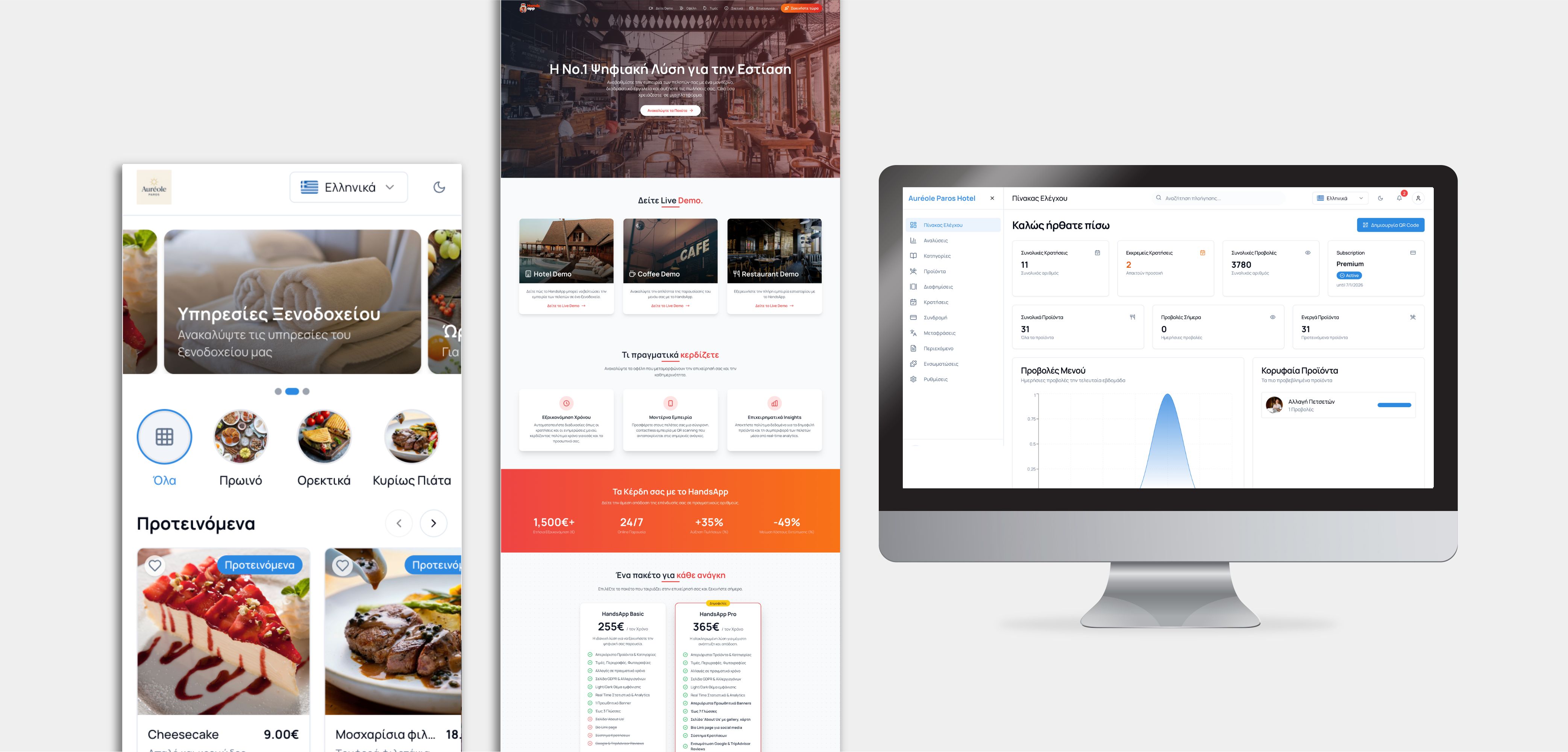
Hospitality platform
A product shaped around a better table-ordering experience instead of treating the table as an afterthought in checkout.
ExploreQuestions answered
No. A clear business problem, the current situation and what feels difficult are enough to start a useful conversation.
When a public website is part of the work, search structure, crawlability, useful content and truthful structured data are considered from the start rather than added as decoration later.
Yes. Some projects are new builds; others begin with an honest technical review, a repair plan or a targeted rebuild of the part that is holding the business back.
LineWeb
We will help shape the next sensible step and be clear about what is worth building.