01
One operational picture
The people, stages, notes, files, activities and decisions that belong together should not require a manual search across tools.

CRM and business systems
The right CRM is not a screen full of fields. It is a shared operational picture that helps people follow up, decide and stop losing context.
Discuss Your WorkflowDirect answer
A custom CRM becomes useful when the business is losing time or trust through scattered tools, repeated manual work, disconnected lead data, unclear ownership or reporting that arrives too late to guide a decision.
The right answer is not always a custom build. The work begins by understanding the workflow and deciding whether a focused system will remove meaningful friction.
What the system should give back
The people, stages, notes, files, activities and decisions that belong together should not require a manual search across tools.
Automation belongs where repetition is draining time and where a defined rule can help the team act consistently.
Dashboards should expose the next useful question, not become another screen that no one trusts or opens.
Leads, team actions, pipeline state and reporting become parts of the same operational picture instead of separate sources of uncertainty.
SHARED CONTEXT
Business context
OUTPUT
One dependable source of truth

One operating picture
A business platform should reduce repeated explanation and fragmented follow-up. The interface matters, but shared information and ownership are what make it useful every day.
From workflow to working system
The detail changes with the project. The underlying discipline stays the same: understand the current reality, make the next decision visible and build only what improves it.
We follow what actually happens to a lead, request, order or internal task, including the gaps between tools and people.
Not every process needs a dashboard. We define the data, permissions and actions that make the biggest practical difference.
The most important workflow is delivered first, allowing the system to become useful before every possible feature is imagined.
A good internal system includes clear roles, documentation, measured changes and a practical plan for what evolves next.
Relevant systems work
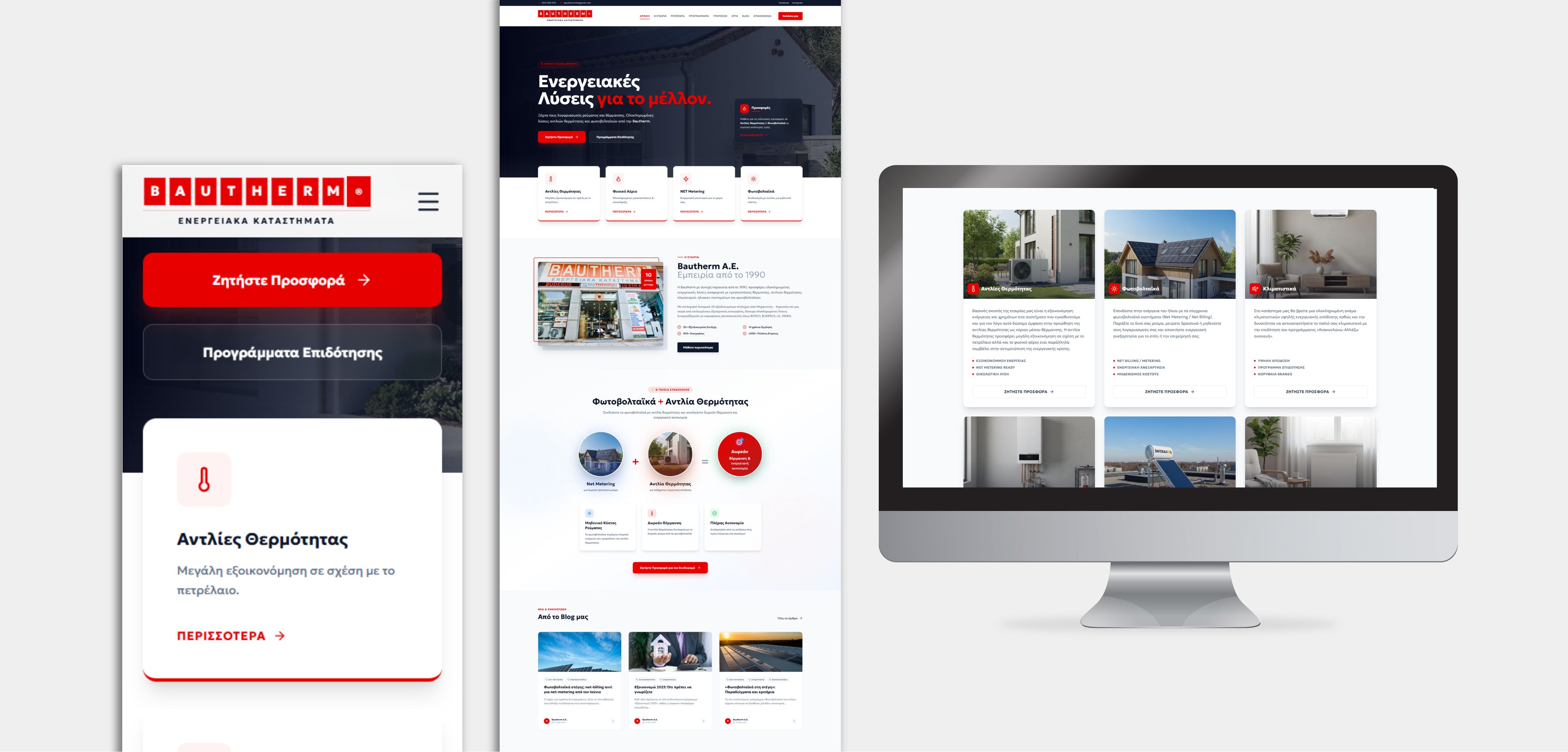
CRM platform
A dynamic business platform combining web presence, lead handling, pipelines, follow-up and operational communication.
Explore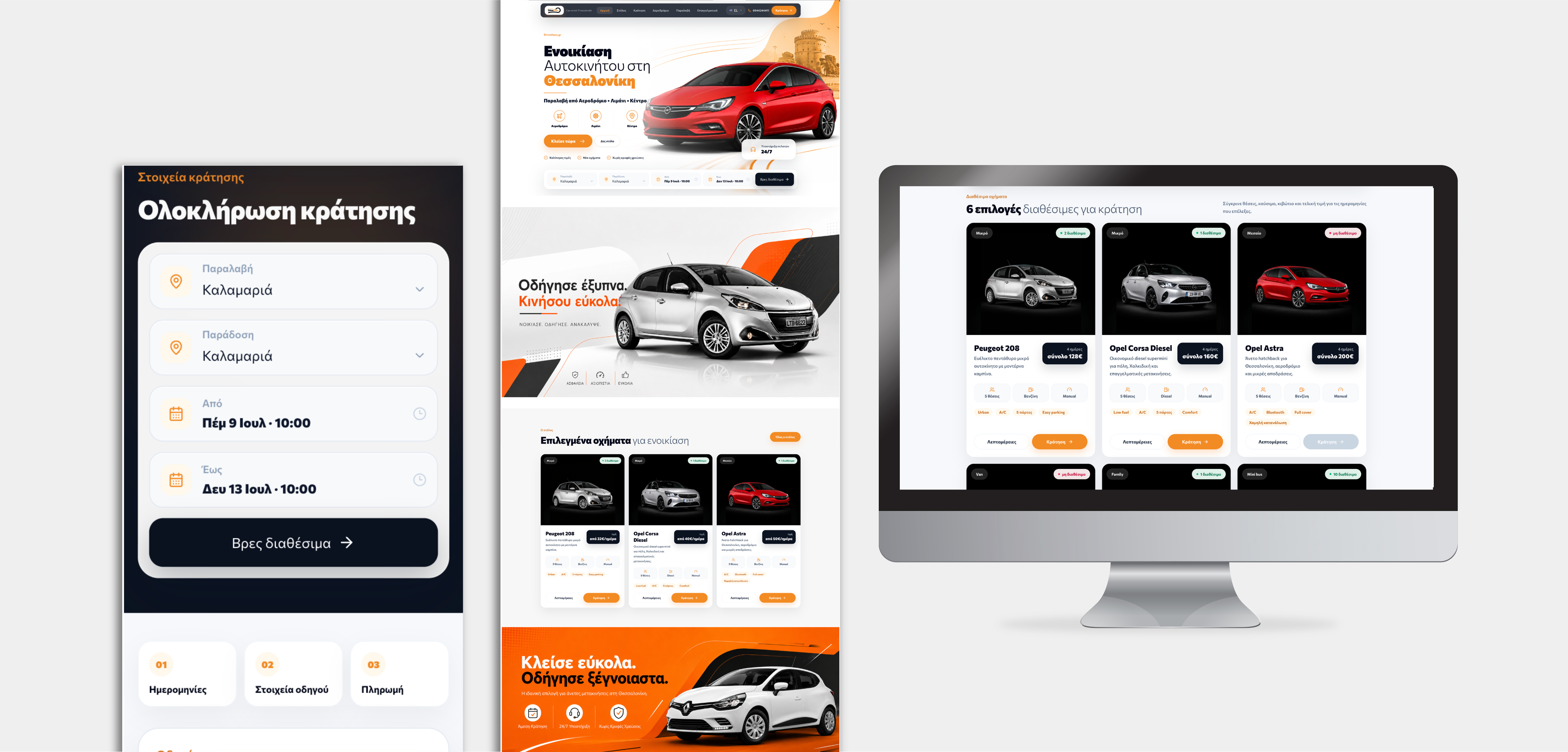
Operations platform
A customer booking experience connected to fleet, contracts, payments and administrative control.
Explore
Read the guide
An honest guide to the quieter signs that spreadsheets and disconnected tools have stopped being enough.
ExploreQuestions answered
No. A good existing product can be the right answer. Custom work earns its cost when the business has a specific workflow, integration or operating need that generic software keeps making harder.
Yes. The strongest systems usually begin with the workflow that is causing the most repeated effort, then expand only when the next part has a clear reason to exist.
Yes. This is often where the value sits: a public enquiry, campaign or form can enter a defined workflow instead of becoming another untracked email or spreadsheet row.
LineWeb
We can map the workflow, identify the real points of friction and decide whether a custom system is the right answer.