B2B ordering portal or email orders: when is a portal worth building?
A wholesale portal is not automatically better than a familiar inbox. The decision depends on repeat orders, account-specific terms and how much manual work sits between a buyer's request and a confirmed order.
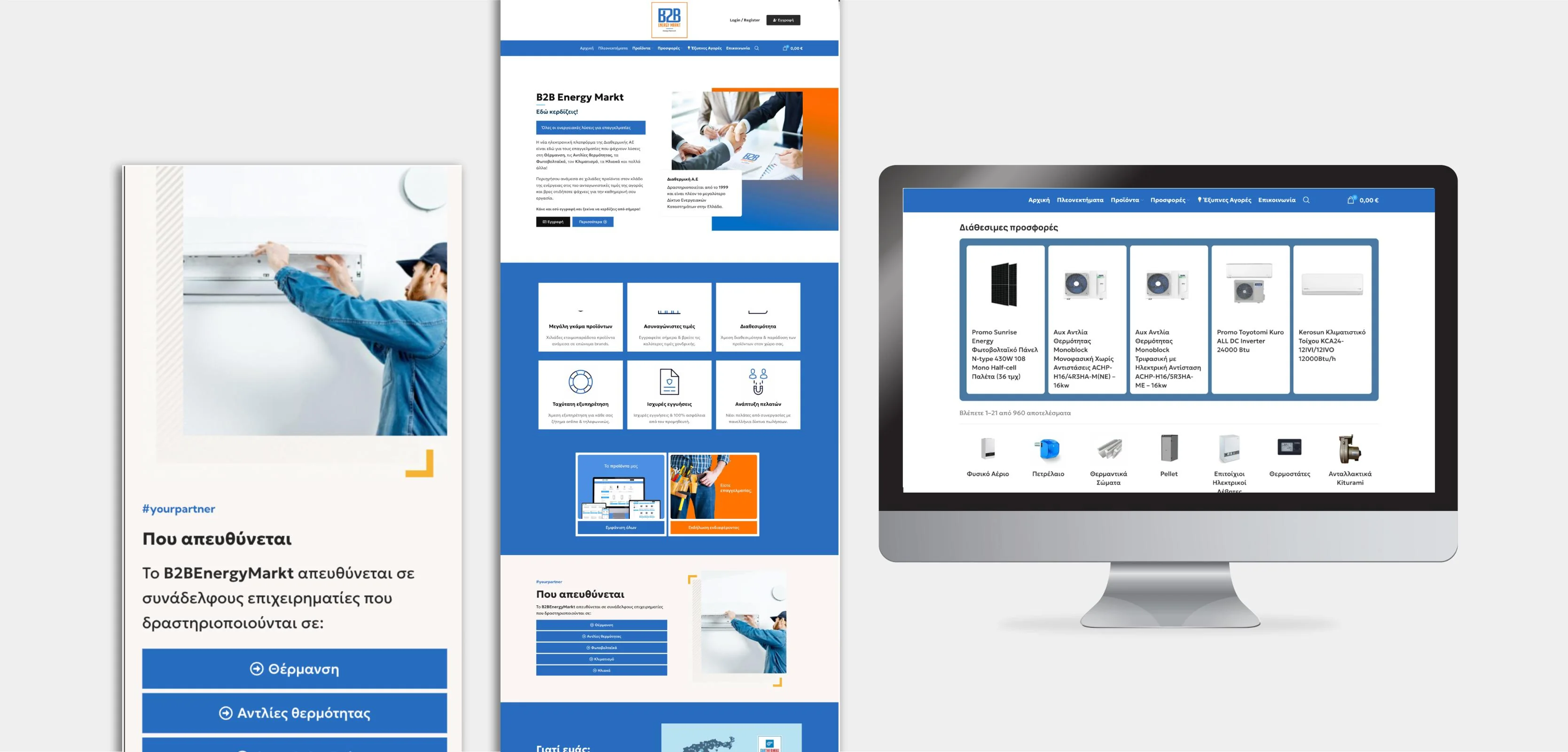
When repeat buyers keep sending the same order by email, both sides spend time on work a good portal can handle. Give customers a quick way to find their products and place an order, while your team stays available for unusual requests and relationships.
The goal is not to eliminate the sales team. It is to give them fewer routine orders to type twice.
Look at the order before choosing the software.
Three questions reveal whether self-service is genuinely useful.
Is it repeatable?
Customers reorder known items or product families often enough to value saved details and quick ordering.
Are terms account-specific?
Approved buyers may need different catalogs, prices, minimum quantities or payment arrangements.
Where does work accumulate?
Identify time spent clarifying, re-entering, checking and correcting orders before estimating the value of a portal.
A portal is not the answer to every wholesale order
If the order itself is unusual, make the conversation better before digitising the checkout.
A small group of buyers may prefer to send a purchase order by email. If quantities, specifications or delivery arrangements change substantially each time, an order form can hide important context. Start by standardising the details your team needs, assigning ownership and making the current status visible internally.
Design around the buyer's account, not a copied retail shop
First decide who may sign in, what that company can see and which locations or people can place orders. Then map catalog visibility, agreed pricing, quantity rules, delivery options and the order confirmation the buyer actually needs. A returning buyer should find familiar products quickly, while an administrator should be able to understand what was submitted and under which terms.
Try the smallest workable change first
Before commissioning a custom portal, review a sample of real orders with sales and operations. Count repeated product requests, manual entries, corrections and exceptions. Ask a few trusted buyers what they would actually use. That evidence is more valuable than a generic list of B2B features.
A wholesale platform built for professional buyers
B2BEnergyMarkt brings product discovery and B2B ordering into an experience shaped for professional buyers.
Explore B2BEnergyMarkt Explore business systemsClear answers, without the jargon.
01When should a wholesaler move orders from email to a portal?+
Consider it when many repeat orders follow stable rules and staff repeatedly re-enter details or answer the same account questions. Keep email or phone available for exceptions and buyers who need a person.
02Does every B2B portal need customer-specific prices?+
No. It depends on the commercial model. If prices or product access differ by company, those rules must be defined and tested before launch; never expose one buyer's terms to another.
03Should we build a custom portal or use an existing commerce platform?+
Start with the platforms and processes you already have. Custom development makes sense when real buyer, pricing or operational rules cannot be handled reliably without awkward workarounds.
04Will a portal replace our sales team?+
It should not. Self-service can take routine repeat orders, while people remain responsible for relationships, exceptions and complex commercial decisions.

Andrew Matia - LineWeb
Founder of LineWeb. I write about the practical side of websites, systems, automation and search: the decisions that make a business easier to run and clearer to find.
Read the founder storyWould a portal make buying easier for your customers?
Show us a few typical orders, the account rules and where your team does repeated work. We can assess whether a focused improvement, an existing platform or a custom B2B system is the sensible next step.