01
A clean hand-off
The next person or system receives the information that matters, instead of a notification with no context and a long search behind it.

Automation and integrations
The best automation is rarely the loudest. It quietly removes repeated steps, preserves context and lets people spend time where judgment is actually needed.
Discuss AutomationDirect answer
A business should automate the repeatable hand-offs that lose time or context: lead intake, status updates, customer communication, data movement, alerts and routine decisions with a clear rule behind them.
Automation should not make the system less understandable. Every flow needs an owner, a visible fallback and a clear point where a person takes over when the situation is no longer routine.
What useful automation protects
The next person or system receives the information that matters, instead of a notification with no context and a long search behind it.
Automation can route, remind and prepare. It should not hide responsibility or create a workflow that no one can safely interrupt.
Repetition is reduced so people can focus on exceptions, client relationships and the calls that actually require experience.
Triggers, validation, routing and fallbacks form one controlled flow, with people retaining judgment where exceptions matter.
STEP 01
Trigger
STEP 02
Validate
STEP 03
Route
STEP 04
Fallback
CONTROL
Workflow rules
OUTPUT
An owned operational outcome

Connected delivery
The value is not in moving data for its own sake. It is in connecting the right systems so people spend less time repeating work and retain control of the important decisions.
From repeated work to a dependable flow
The detail changes with the project. The underlying discipline stays the same: understand the current reality, make the next decision visible and build only what improves it.
We locate where data, responsibility or customer context is being copied, delayed or lost between people and systems.
A process is automated only when the rule is clear and the exception has an explicit human destination.
Forms, CRM records, messages, orders, dashboards and third-party tools are joined around the operational outcome, not around an integration checklist.
The flow is checked in daily use, with enough visibility to understand what happened when a step fails or the business changes.
Automation in practical platforms
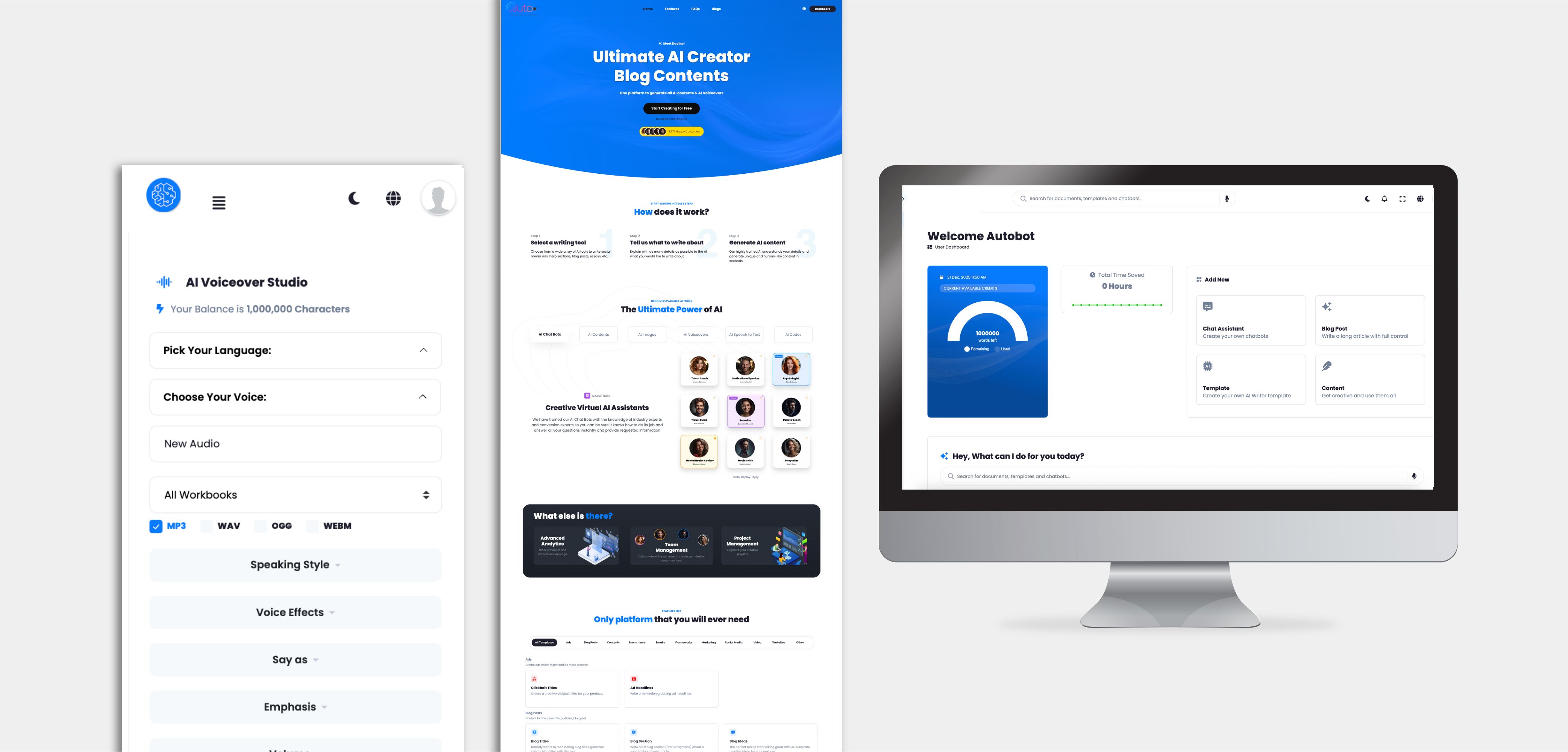
Automation platform
An early LineWeb product shaped around customer communication, marketing, e-commerce and automation workflows.
Explore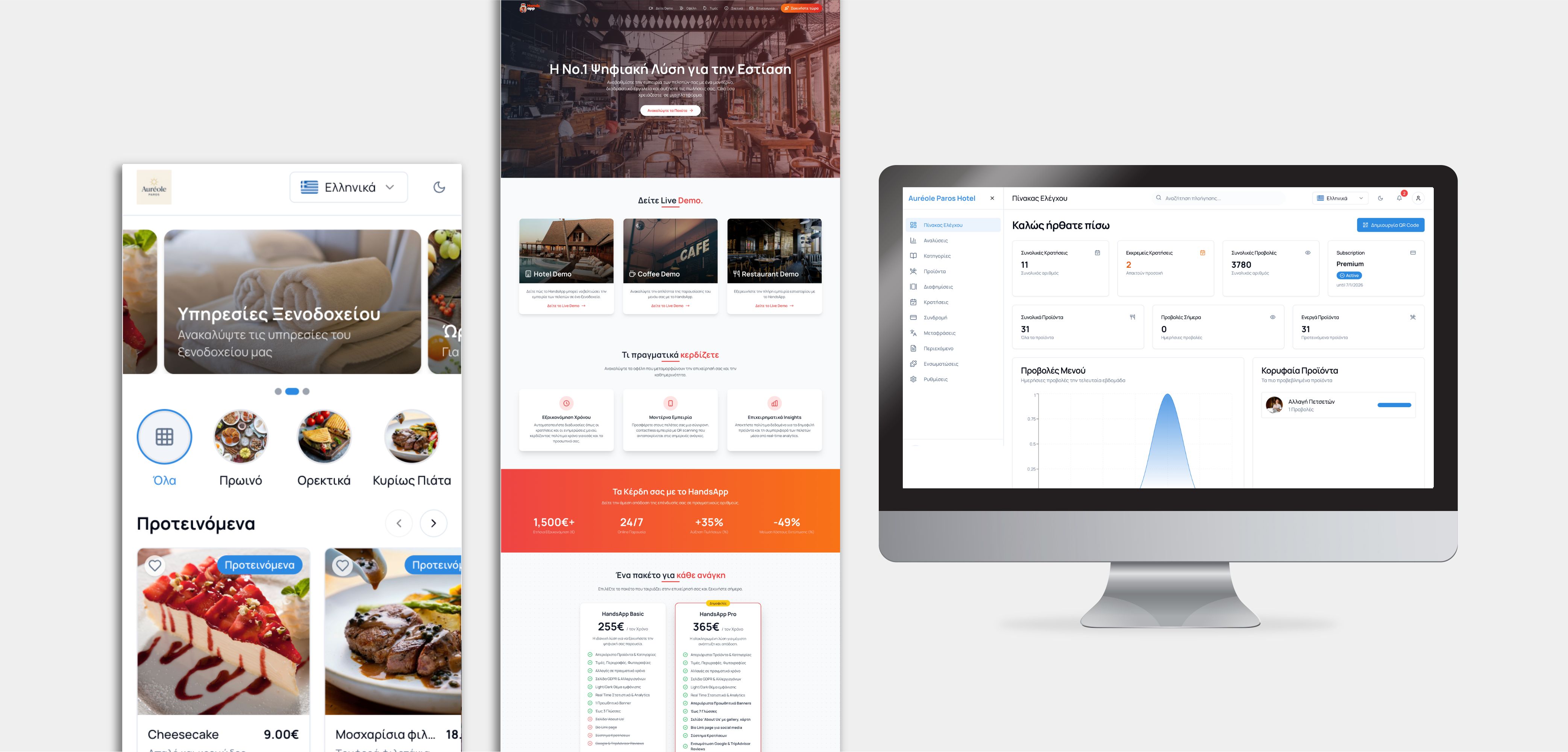
Hospitality operations
A table-aware ordering platform where the right order context is captured at the start, not patched into checkout later.
Explore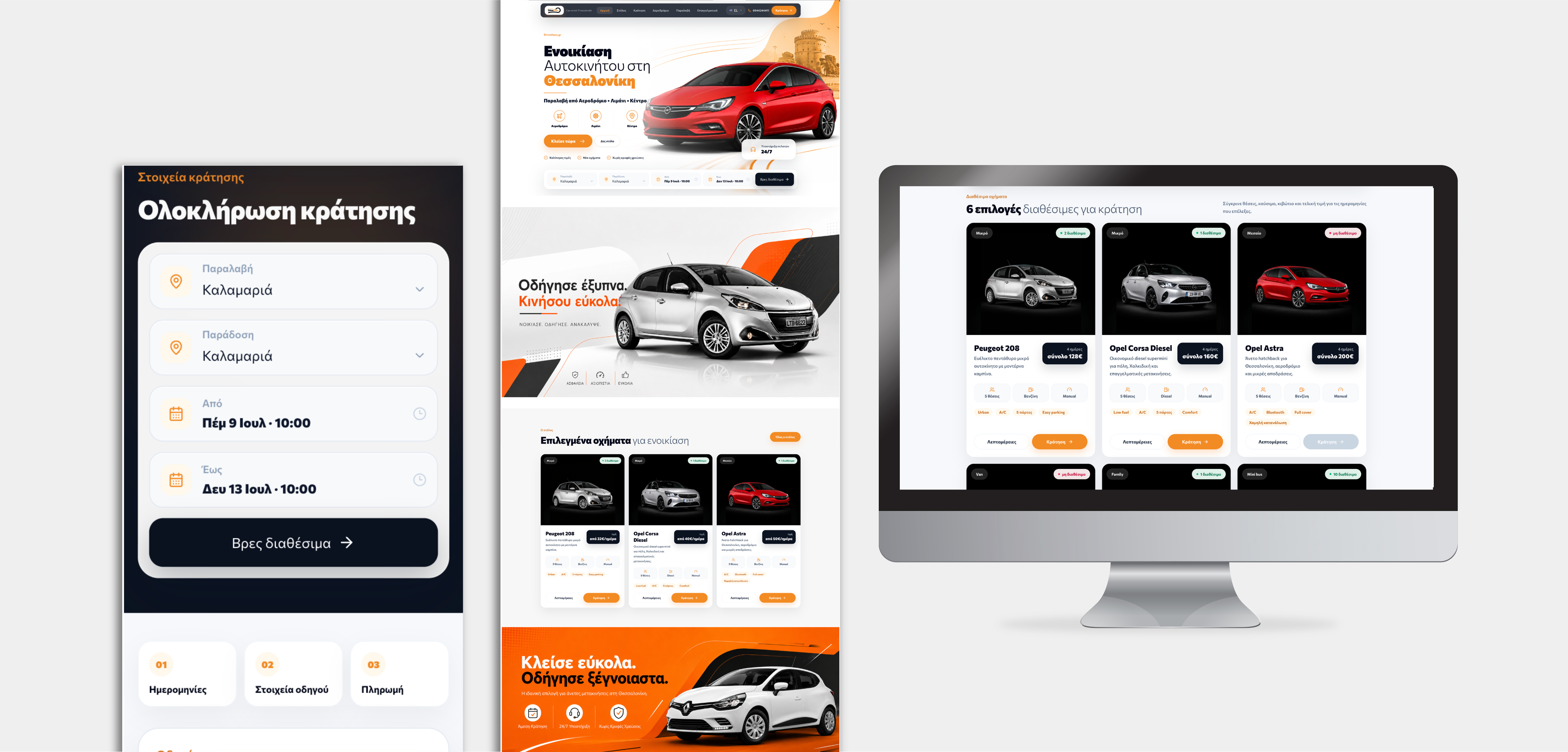
Business platform
A rental system joining enquiries, bookings, contracts, customer communication and administrative work into one operating picture.
ExploreQuestions answered
Usually, no. The strongest use is to remove repeated work, prepare information and protect follow-up so people can spend attention on decisions and relationships.
No. When it is sensible and secure, automation can connect existing forms, CRM tools, databases, email systems and other approved platforms.
The flow should have an owner, logging or alerting where appropriate, and a clear fallback so a temporary failure does not silently become a missed customer or lost task.
LineWeb
We can map the repeated hand-offs, identify what can safely move on its own and keep the important judgment with the people responsible for it.